The COGS Are Too Damn High

Let's talk about something that sneaks up on even the most well-intentioned founders: cost of goods sold.
It sounds straightforward. You make something, you sell it, you subtract the cost. But if you've ever actually run a product-based business, you know COGS is rarely that simple — and it's often the silent killer of sustainable cash flow.
What I wish I'd known about margins
When I launched my first product, I thought: if I make it for $4 and sell it for $12, I'm golden.
I was not golden. I was barely bronze.
And I compounded the problem with another thought: I'm especially golden if I grow really fast — I can scale into even healthier margins. In reality, I was setting myself up for a slow bleed.
COGS isn't just ingredients and packaging. It's freight, import duties, tariffs, storage, packaging mistakes, returns, shrinkage, label changes, pallets stuck in customs. It's the three extra cents per unit your supplier added without warning.
If you're not building margin into your business model from day one, you may be moving product — but not actually making enough money.
And speaking of building margin: are you basing your pricing on DTC, wholesale, distributor? What about export? What does that pricing need to be, and how does the channel mix impact your blended margin?
When cash flow nearly cracked me
When I started my company, things took off quickly. Global expansion into fabulous retailers, hotels and spas — Harrods, Harvey Nichols, Lane Crawford, Stanley Korshak, C.O. Bigelow. It was exciting.
I knew my manufacturing costs were too high to support such rapid expansion — especially into big retail or international markets. Working with distributors, navigating export pricing, and trying to stay competitive globally just didn't make sense with my current cost structure.
My COGS were high and completely inflexible. My pricing, on the other hand, was inconsistent and always up for negotiation — basically built on a desire to just keep saying yes.
Meetings with buyers went well. New doors opened. New products and SKUs were added. Everything looked like a winner on paper. Retailers were excited. Forecasts looked strong. The branding was gorgeous. Consumer feedback was excellent.
It moved quickly. Sell-through was strong. It looked like growth. But it behaved like quicksand.
Profit First — but not in a cult-y way
At some point in the chaos, I came across the Profit First method. Initially, I was sceptical. It sounded like a system that didn't take into account any of the intricacies of building a product-based business. But the more I thought about it, the more it made intuitive sense.
What's the worst that can happen? It can't get any worse than what I'm already doing.
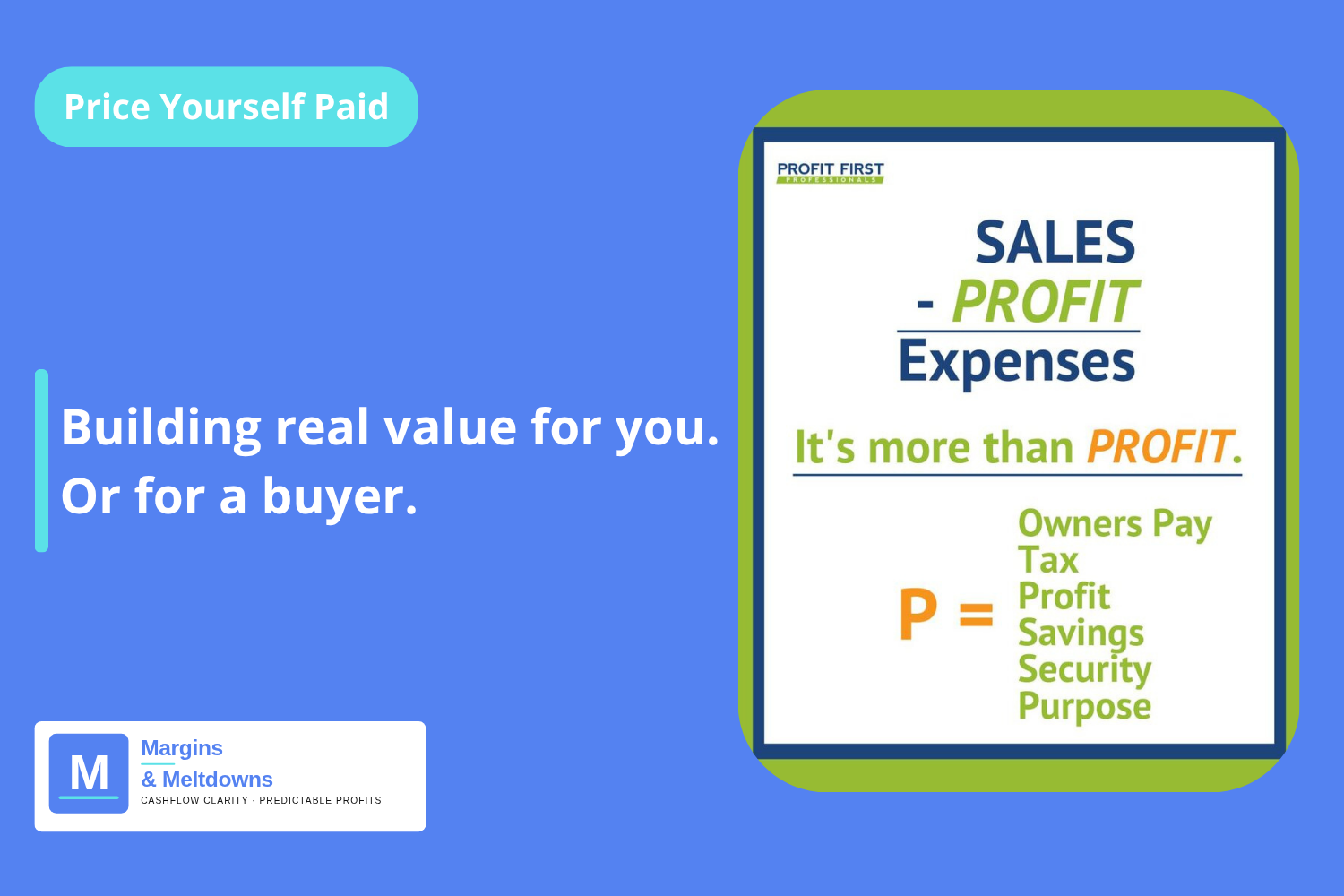
So I adapted it for my CPG business. Every dollar that comes in is divided into purpose-driven allocations: COGS, operating expenses, taxes, owner pay, and profit. I plan backwards from what the business needs to stay viable — not forwards based on optimistic projections. This mindset has helped me avoid taking on retail accounts that look great on volume but would quietly destroy cash flow in practice.
Track your COGS properly
If you're still calculating your COGS on napkins, looking at your Xero or QuickBooks margin numbers and wondering why there's still no cash in the bank, you're not alone.
I have a dead simple COGS and cash flow tracker I built for myself that I still use after 18 years. It's designed for founders who hate pivot tables, need clarity not complexity, and want to make confident product decisions based on numbers, not hope. You can find it in the Calculators section.
The takeaway
COGS isn't just a number — it's the engine behind whether your business actually supports your life or just burns you out while looking cool on shelves.
If you don't build margin into your business from day one, you'll end up working 80 hours a week to pay your 3PL's warehouse manager and wondering why your bank balance is gasping for air.
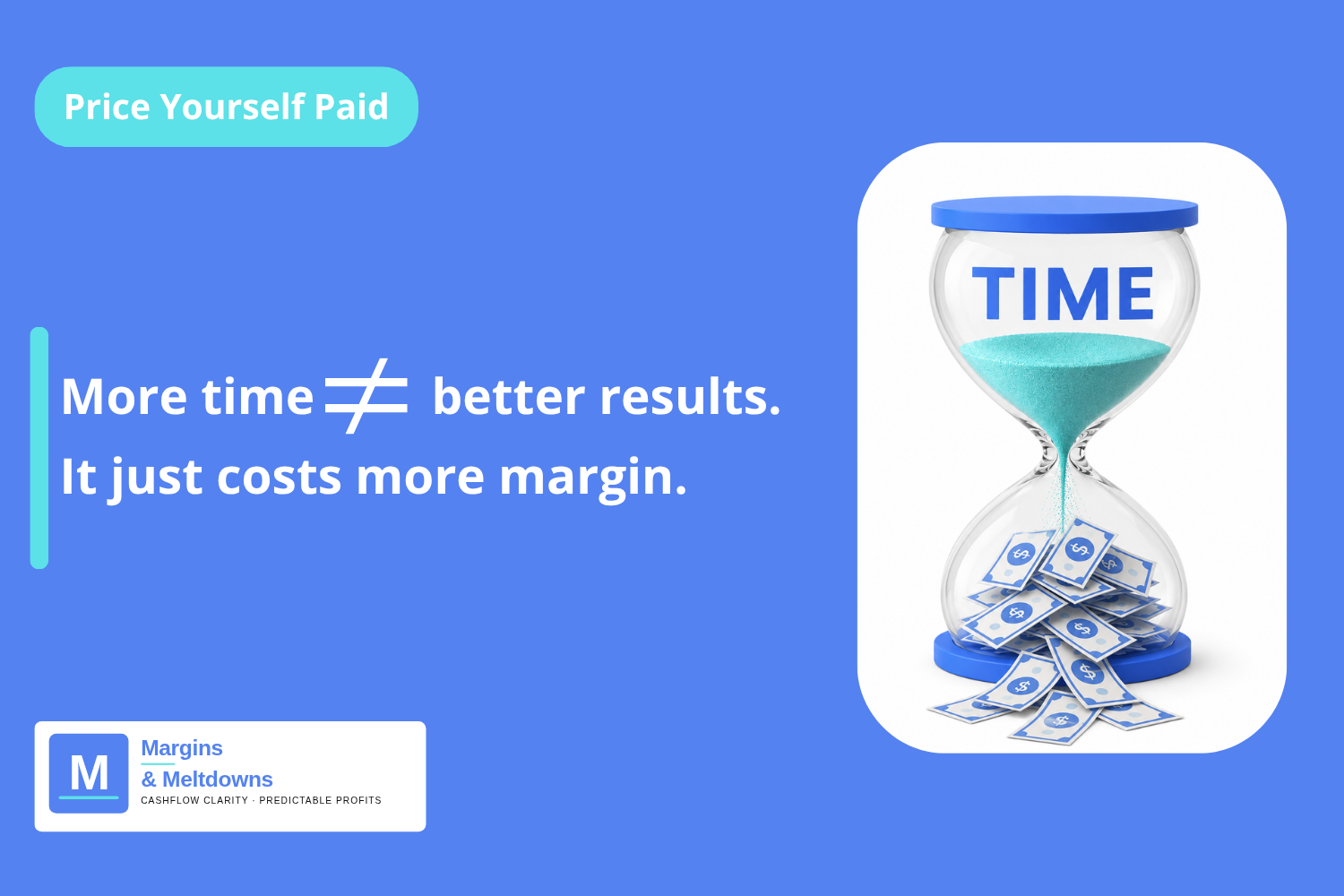
Protecting your margin is the foundation of founder sanity. If your product isn't profitable on the first unit, it's going to be very hard to fix it with scale. Growth looks nice in a pitch deck. Profit keeps the lights on.

Member discussion